
Did You Know There Are Different Types of TEDx Talks?
Here’s What They Mean for You as a Speaker

Hey Speakers 👋!
I’m Geleen Antonio, host of the Travel Not to Escape podcast and your resident TEDx nerd behind Speaker Accelerator. Thanks so much for being here and subscribing / following along. I don’t take it lightly that you’re letting me into your inbox and your goals.
It took me five years to land my first TEDx talk. In that time I volunteered behind the scenes with TEDxChicago, studied and attended multiple TEDx events, applied the wrong way, learned the hard way… and finally got on stage (TEdxTupelo Women!) Now that I understand the system, I’ve already applied to multiple events and have applications in review again, all within a month. I’m the same person, but now I have a better strategy.
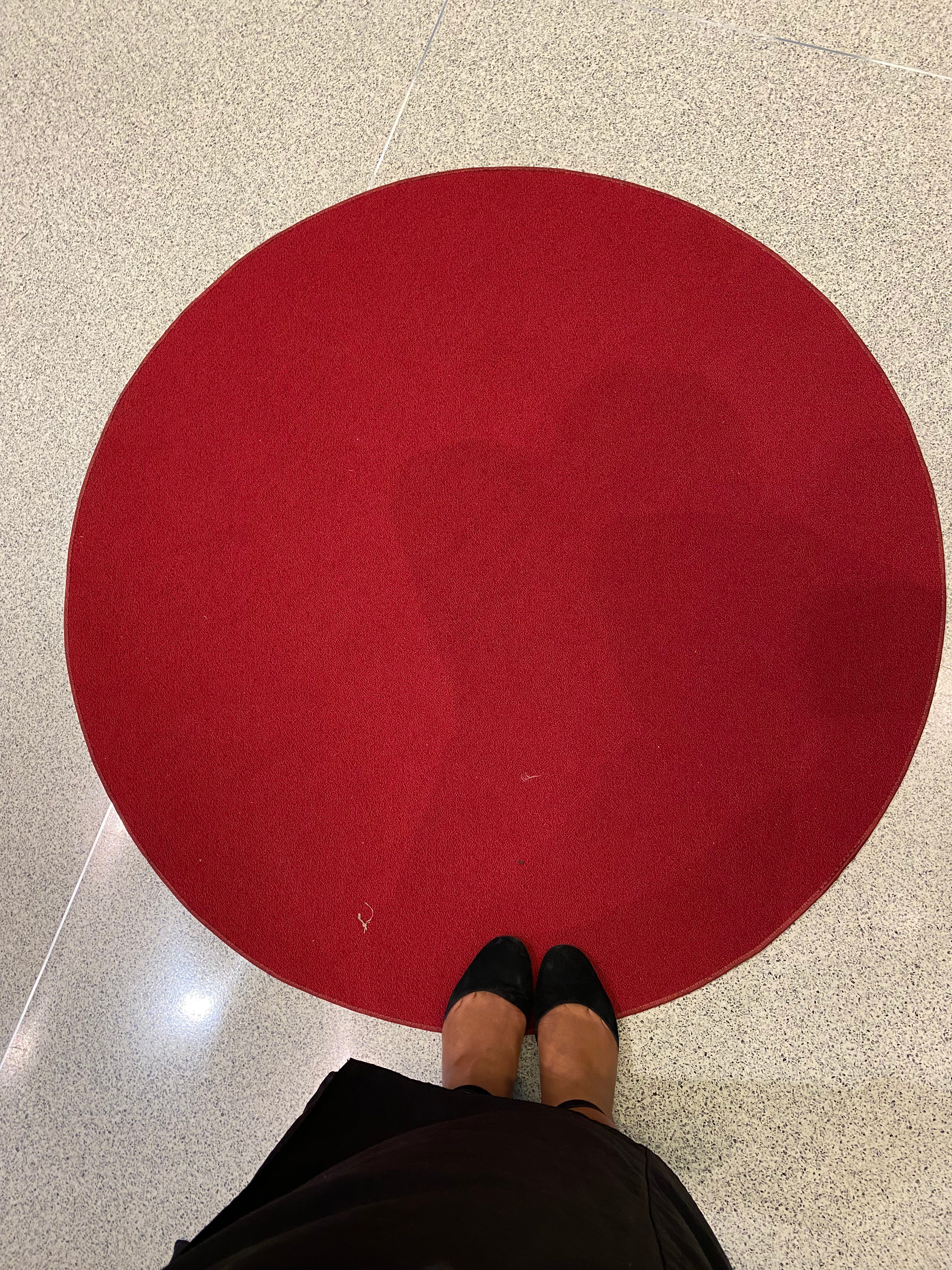
That’s what I want for you too. I’m here to share everything I learned in the process so you can get on that red dot next year!
In today’s post I’m going to dive into something most people don’t realize:
Not all TEDx events are the same.
There are multiple event types, each with its own audience, rules, and speaker expectations. Understanding the differences can completely change your strategy and increase your chances of getting selected.
Most applicants never even look at this, but you’re part of this community now and I’m here to tell you how important this is!
Because the event type determines whether:
you’re eligible
your topic fits
the event even accepts external speakers
you can apply as a non-local speaker
your talk resonates with the audience
Let’s break down each type in simple, speaker-friendly language.
1. Standard Event
These are the “classic” TEDx events named after cities or towns.
Examples: TEDxPortland, TEDxDetroit, TEDxChicago
Audience: The general public
Good for you if: Your idea has broad appeal and is relevant to a community
Most TEDx speakers come from this category. But these are longer established events so they are more competitive. (For example, TEDxChicago had a final live speaker audition 1 week before the stage even after everyone had prepared for months on their talk).
2. University Event
Hosted at colleges or universities by students, faculty, or staff.
Examples: TEDxUofMichigan, TEDxNortheastern
Audience: Students, professors, campus communities
Good for you if:
Your idea connects to education, identity, youth, or research
You’re comfortable speaking to younger audiences
You don’t mind the organizer being 19 years old (not a bad thing!)
Many non-students get chosen if their idea serves a student-centered audience.
3. Youth Event
Organized by or for young people (often K–12).
Examples: TEDxYouth@Seattle
Audience: Kids, teens, parents, educators
Good for you if:
You work with youth
Your idea is simple, story-driven, and actionable
You enjoy speaking in school environments
4. ED Event (Education-Focused)
For educators, students, administrators, and the school community.
Good for you if:
Your topic relates to learning, teaching, school systems, psychology, equity, or youth development
5. Salon Event
Small, recurring, community-focused gatherings.
Good for you if:
You want to start small and build relationships
You want to practice before applying to larger events
These are NOT always on the TEDx website.
6. TEDxLive Event
Built around streaming the main TED conference, sometimes with live speakers too.
Good for you if:
You want an easier entry point
You’re open to smaller, more intimate events
7. TEDxWomen Event
Centered on ideas related to women, but not necessarily just for women.
Good for you if:
Your idea relates to gender, identity, leadership, justice, culture, belonging, or community
You have a powerful personal story with broader impact
(My first TEDx talk is for TEDxTupelo Women because my topic was Women and Wanderlust: How Solo Travel Breaks Generational Curses)
8. Business Event
Private, internal company events for employees only.
Good for you if:
You work at that company
You can offer insight relevant to that organization
These are not available to the public.
9. Internal Event
For government institutions or nonprofits.
Not open to outside applicants.
10. Library Event
Hosted by library staff for the local community.
Good for you if:
Your idea is community-driven
You enjoy local, intimate stages
11. Countdown Event
Focused entirely on climate solutions.
Good for you if:
Your idea touches sustainability, community action, or innovation
12. Studio License
A series of short, recorded talks without a full stage production.
Good for you if:
You want a more flexible, creative talk format
You want to produce something cinematic
So what does this mean for YOU as a speaker?
1. Your idea might fit some events but not others
A personal development idea?
Better for Standard, University, Women, or Salon.
A startup innovation idea?
Great for Standard or University.
A youth empowerment idea?
Perfect for Youth or ED.
2. Some events DO NOT accept external speaker applications
Many TEDx events exclusively recruit from their network. (more on this in a separate post!)
This is why:
you might never see an application page
you must search widely
you should apply early and apply smart
This is exactly why I run this Speaker Accelerator Substack because manually checking hundreds of events is nearly impossible (without burning out!).
3. Choosing the right event type increases your chances
If you’re a first-time speaker, apply to University, Youth, Salon, Women, or smaller Standard events. These often have higher acceptance rates.
4. The event type determines your strategy
Your pitch, your angle, and your storytelling must match the event’s mission and audience.
This is what I teach in the weekend Accelerator, but I’ll share pieces of the strategy here too.
Want more open calls and insider strategy?
If you want speaker applications, deadlines, and step-by-step guidance to land your 2026 TEDx talk:
👉 Join the January Weekend Accelerator Waitlist
One weekend to shape your idea, build your pitch, understand the application system, and walk away with a clear roadmap + a mastermind. https://tinyurl.com/tedxaccelerator
More open speaker calls and breakdowns coming this week!
Geleen Antonio